What to Expect During Gopher Breeding Season
March 8, 2022
Gopher breeding season in California typically occurs from late winter through early spring, when gophers reproduce and young gophers begin establishing new territories. During this time, homeowners may notice increased mound activity and landscape damage as populations temporarily expand.
In irrigated areas, gophers may produce more than one litter per year, which can lead to recurring activity even outside the main breeding window. Early monitoring and control can help reduce the impact on lawns and landscapes.
Gopher Litter Size and Reproduction
Gopher litters typically average five to six young, but the number of litters per year can vary depending on landscape conditions. In non-irrigated areas, gophers usually produce one litter annually, while irrigated properties—such as lawns, gardens, and landscaped yards—may support multiple litters in a single year.
After birth, gopher mothers remain with their young for only a few weeks. Once the juveniles are old enough, they are forced out of the burrow to establish their own territories, which can lead to a noticeable increase in activity across a property in a short period of time.
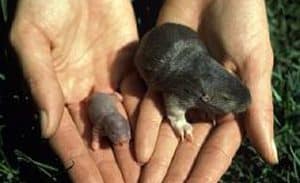
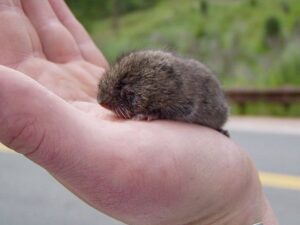
What Baby Gopher Activity Looks Like
Breeding season is one of the few times gophers may be seen traveling above ground. This typically happens when young gophers disperse from their birth burrows in search of new areas to claim as territory.
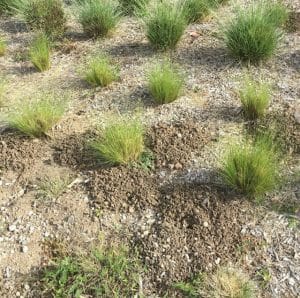
Activity caused by juvenile gophers often looks different from that of adults. Adult gophers tend to create more defined, well-formed mounds and carefully plug tunnel openings. Younger gophers, by contrast, may leave behind smaller, irregular mounds, partially open holes, and less organized digging patterns. These signs can make gopher activity appear sudden or more widespread than usual.
Homeowners who are unsure whether they’re seeing early or established gopher activity can learn more about common signs and patterns on our gopher control resource page.
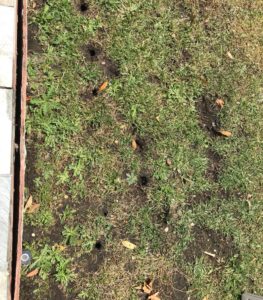
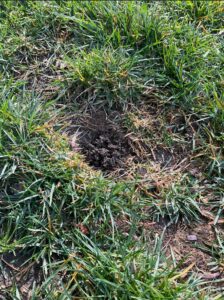
Gopher Breeding Season FAQs
Do gophers have more than one litter per year?
In non-irrigated areas, gophers typically produce one litter per year. In irrigated landscapes, gophers may produce multiple litters, which can increase overall activity on a property.
Why does gopher activity increase during breeding season?
Increased activity often occurs when young gophers leave their birth burrows to establish new territories. This dispersal can result in more visible mounds, open holes, and irregular digging patterns.
What can homeowners do to reduce gopher activity during breeding season?
Monitoring early signs of activity and addressing gophers before populations expand can help reduce damage. Ongoing gopher control and regular property checks are often recommended in areas with recurring gopher activity.
Get Ongoing Gopher Control
Available to Homeowners Across Northern California
Breeding season can have a drastic impact on your landscape since the number of gophers on your property can grow exponentially in a short period of time. The best way to preemptively combat this activity is to be on our ongoing Gopher, Mole, and Vole Control Program as we provide extra treatments during the winter months to reduce the population before breeding season occurs.
Our ongoing service is available after we clear up any initial activity on the property and entails us coming out regularly to service your property about every 6 weeks. During the winter months we will walk any accessible open space near your property and place bait in areas of gopher activity.
We serve homeowners across Northern California, including Marin, Napa, and Sonoma counties. Reach out to our team today to learn more about our services.