Seasonal Changes to Pest Activity
March 1, 2025
Gopher, mole, and vole activity in California changes throughout the year based on weather, soil conditions, and food availability. Homeowners in areas like the Bay Area, Napa County, and surrounding regions may notice increased activity during warmer, drier months and reduced activity when cooler temperatures and rain return.
Understanding these seasonal patterns can help homeowners recognize when activity is likely to increase and when it may naturally slow down.
Understanding Seasonal Pest Changes in California
Pest activity follows predictable seasonal patterns in Northern California, with each season bringing different behaviors and levels of visibility. Let’s take a closer look.
Gopher, Mole, and Vole Activity in Spring
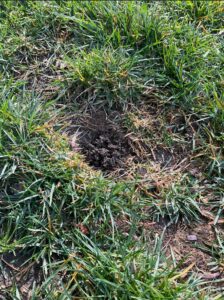
(an example of baby gopher activity)
Springtime in Northern California is breeding season for most of these critters so this is when we start seeing an uptick in activity! Gophers and moles are usually territorial but during breeding season they will cohabitate. They also kick their young out pretty early on so they go off to look for their own territories. This means you are more likely to encounter multiple critters on your property at a time.
If you live near open space, in areas like the Bay Area and Napa County, those areas are still nice and lush. This means that these critters are less likely to come searching for food in our landscapes. There is also a higher chance of a critter moving off of a property back into the nearby open space.
Gopher, Mole, and Vole Activity in Summer
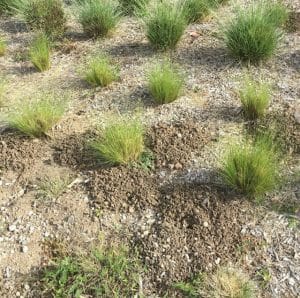
This is when we get the most calls about critter activity in Northern California. Our landscapes are nice and hydrated unlike the surrounding open space. This means critters will move into our properties in search of food during the hot, dry months.
The baby gophers from springtime have now matured into young adults so they have moved out and developed their own territories.
During this time of year we are also limited by the dry soil. We risk collapsing tunnel systems if we try to set traps or place bait in dry, unirrigated areas. Because of this we can only do work in well irrigated areas of the landscape.
Gopher, Mole, and Vole Activity in Fall
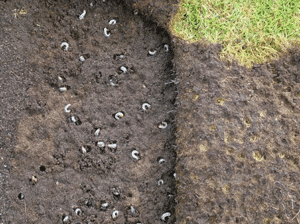
We continue to see a lot of activity throughout the earlier fall months because we stay pretty hot and dry here in California.
We also see a spike in activity with other critters like raccoons and boars. They tend to check lawns for white grubs during this time of year. Grubs are large and close to the surface so they are easy pickings for these other animals. You will often see chunks of lawn rolled or torn up and can often see the grubs themselves. Moles are also fond of grubs so there can be an increase in their activity as well.
Gopher, Mole, and Vole Activity in Winter
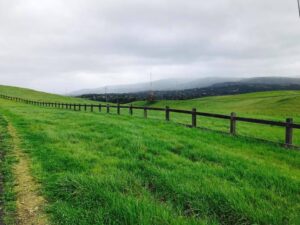
While it doesn’t get cold enough for any of these animals to hibernate during the winter we do see a dip in their activity on people’s properties. This is because once the temperatures drop and the rains begin the open space becomes nice and lush again. So their food sources are readily available outside of our landscapes.
They do still come into our yards but less frequently compared to the summer months.
During this time of year we also are able to place bait into any nearby open space for customers on our ongoing program! Doing this can help reduce the overall gopher population which can lower the activity in the warmer months.
Seasonal Pest Activity FAQs
Are gophers, moles, and voles active year-round in California?
Yes. These pests remain active throughout the year in California, though their activity levels and locations change with the seasons.
Which season has the highest pest activity?
Summer typically sees the highest level of visible activity, as dry conditions push pests into irrigated lawns and landscaped properties.
Why does pest activity decrease during winter?
Cooler temperatures and increased rainfall make open spaces more appealing by improving food availability, which can reduce pressure on residential landscapes.
Does seasonal pest activity vary by location?
Yes. Soil conditions, irrigation, and proximity to open space can affect how and when pest activity appears on individual properties across Northern California.
Noticing Seasonal Pest Changes on Your Property?
Understanding the Pattern Can Help You Respond Early
Seasonal shifts can influence when and where pest activity appears, but early identification can help limit damage. If you’re seeing signs of gopher, mole, or vole activity, our team can help assess the situation and recommend next steps.